
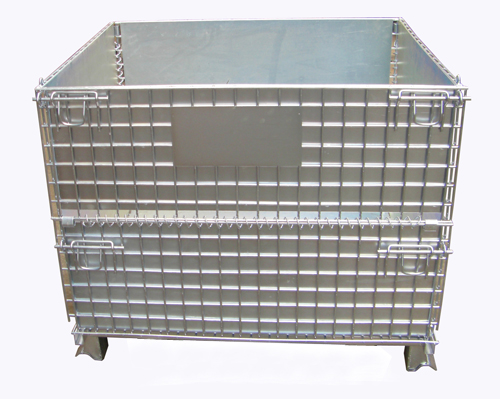
Non-standard cages are custom-built to your products and warehouse, so design needs care. Two points matter. Stability is the critical element in this steel structure; run a reliability analysis rather than guessing dimensions. Then fit your own warehouse: usable height, columns, floor load, and two years of growth decide size, stacking layers, and load rating.
Read More →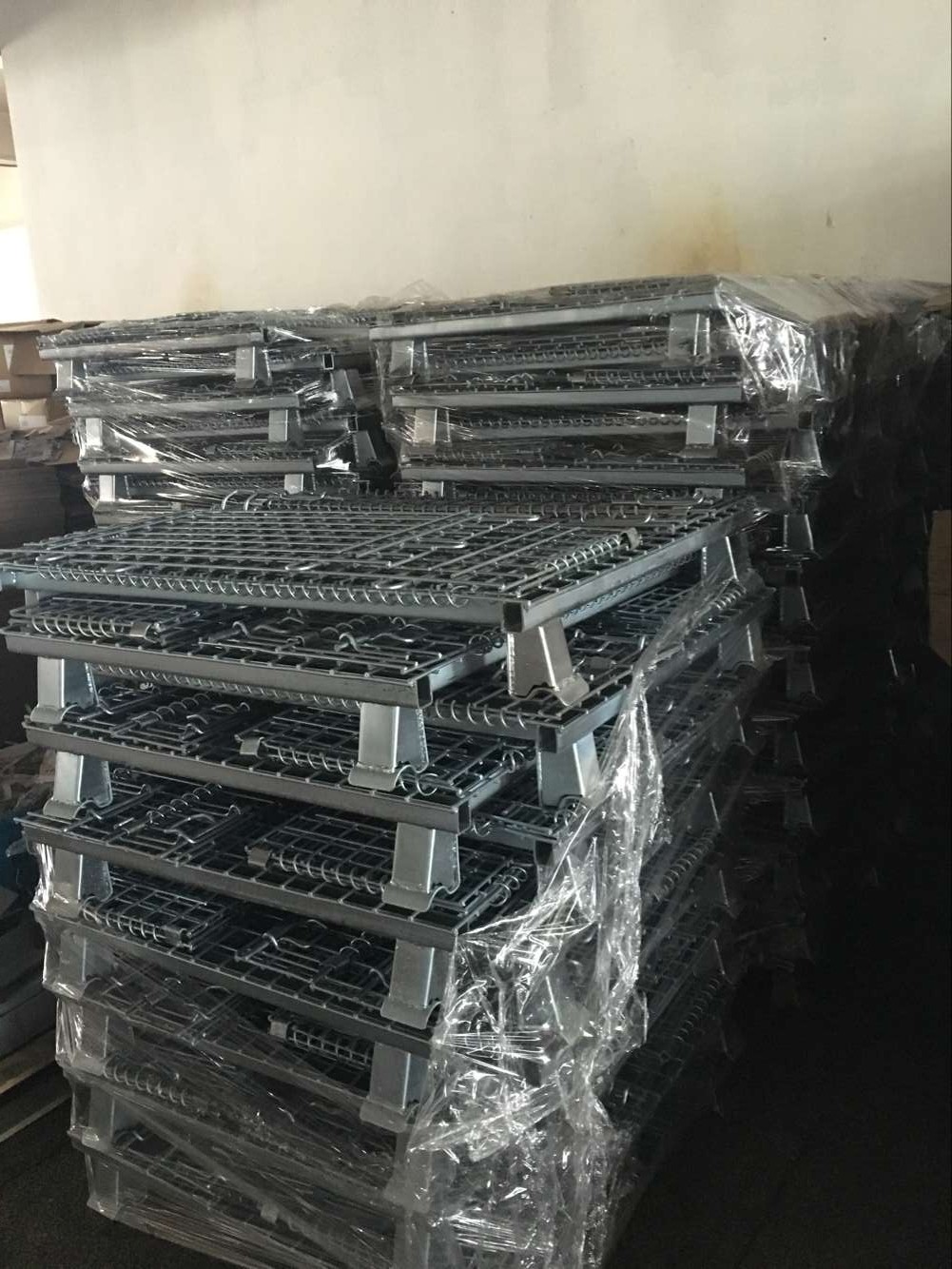
Cages move only by machine — forklifts, pallet trucks, cage carts, or battery tractors. Stacking two cages for one move is allowed if you respect the rated load and slow in corners, since a tall stack tips easily. Stacking three or more together is banned: it deforms the bottom channel and feet, and a tipped load endangers people and goods.
Read More →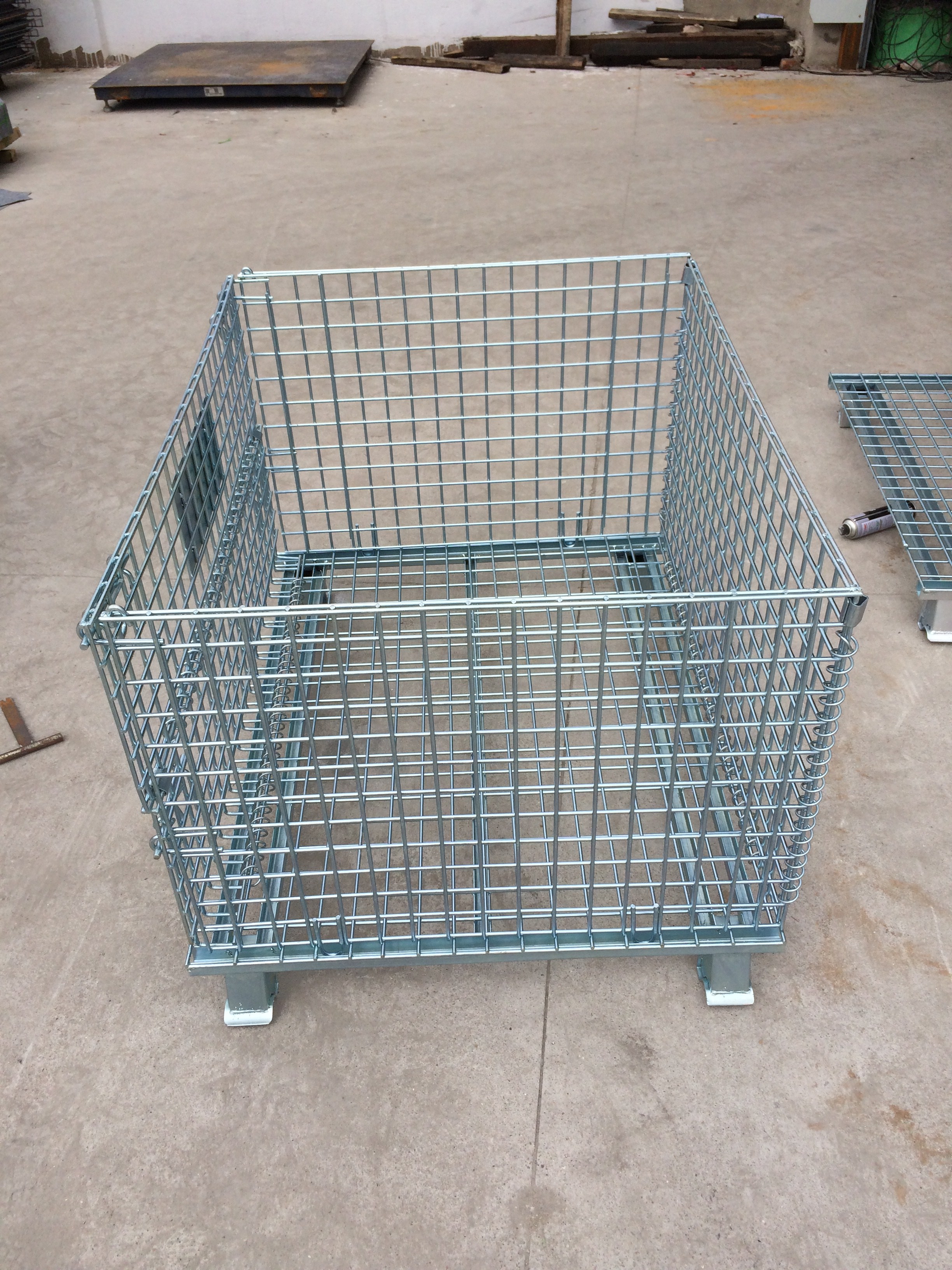
Foldable cages serve manufacturers and warehouse supermarkets for storage, transport, and sorting of raw materials, semi-finished goods, and finished goods. Judge quality on three points. Welding must cover every wire intersection and the full base. High-wire material sets strength — ask for a mill test report — and channel thickness must match your load requirement.
Read More →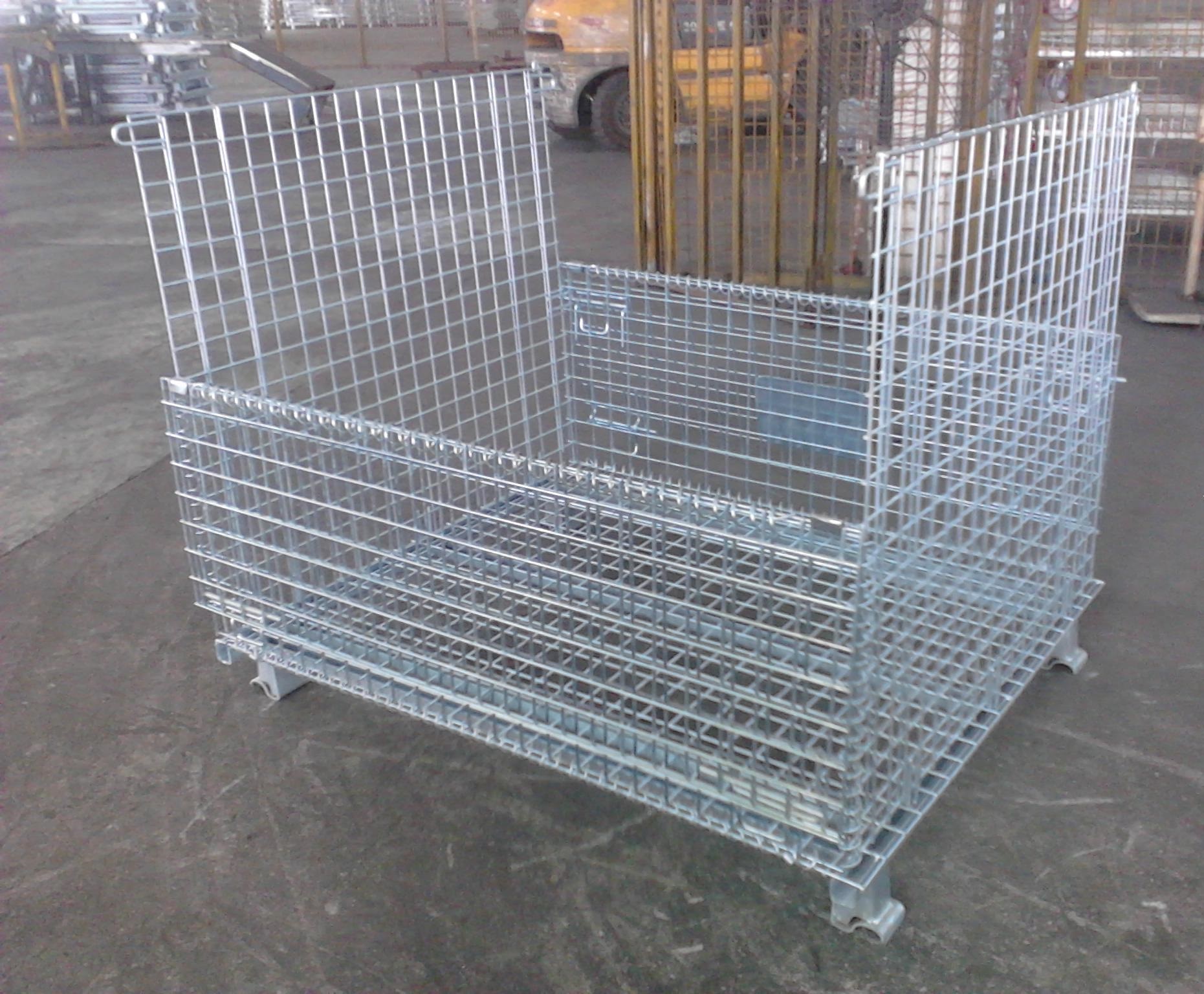
Empty foldable cages stack flat to save space, in three folding styles. Standard outer fold is the most universal. Inner fold reverses direction, usually with support brackets and back-mesh bending. Half fold bends two panels together for cages shorter in length than width. All open or fold in under a minute by one person.
Read More →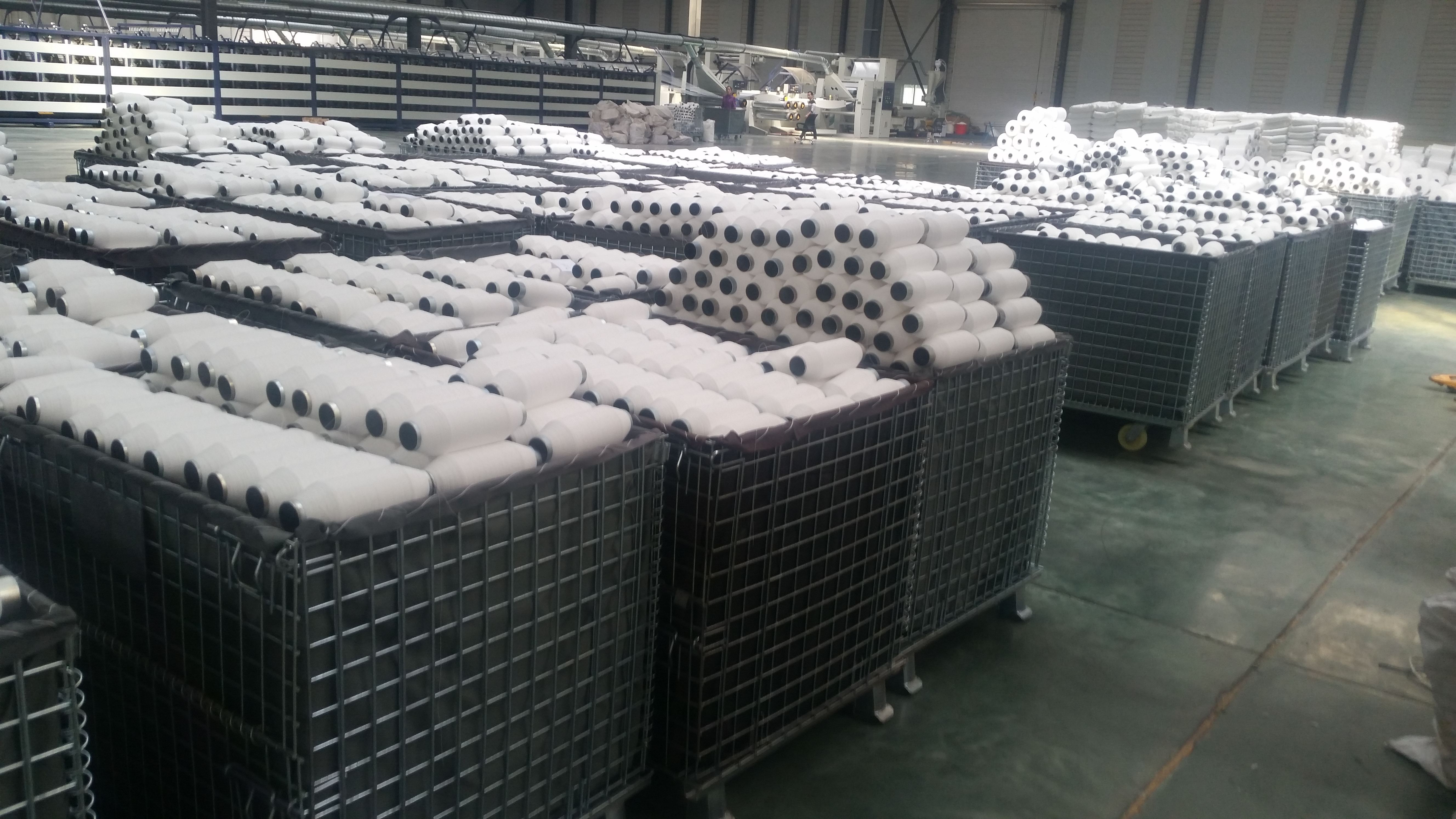
Cages are reusable foldable containers, like pallets but with a steel mesh body that stacks and turns over. Xintongnuo offers three tips. First fix your heaviest cargo weight, since ratings run 200 to 2000 kg and we size wire and channel to it. Second say whether you stack in layers, which needs stacking feet and thicker channel. Third prefer folding.
Read More →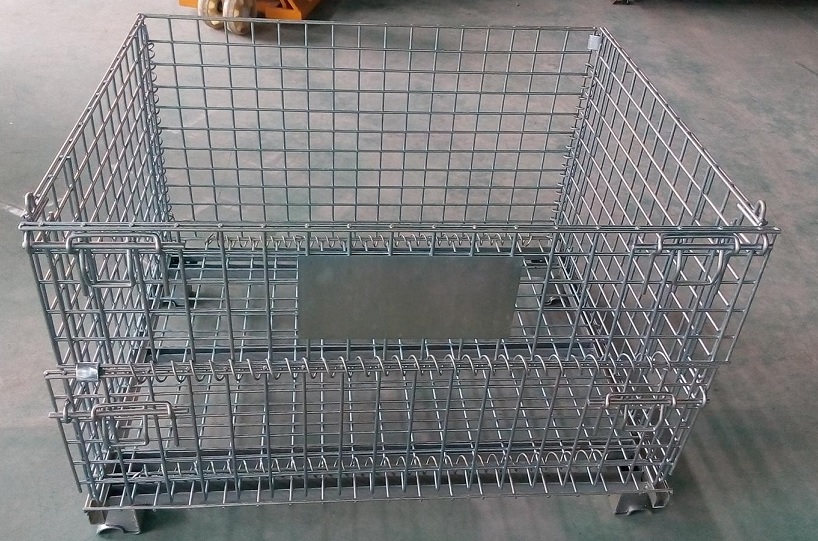
Judge a foldable cage on three points. High wire and channel set strength — large-mill wire and a material report matter, and channel thickness decides whether the rated load is reached. Welding must cover every wire intersection and fully weld the base. Galvanizing must be at least 8 microns thick, bright and spot-free.
Read More →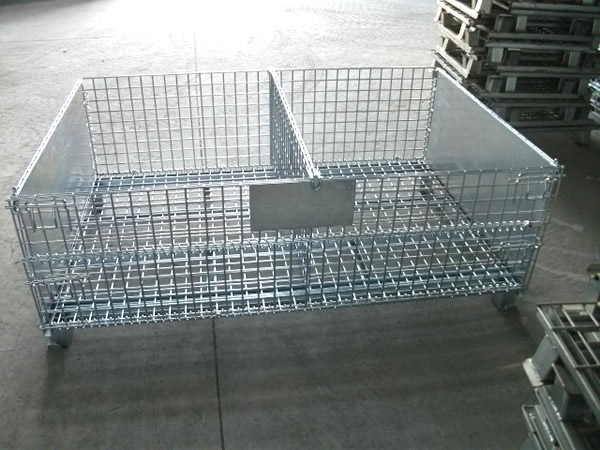
Facing thinning profit on standard cages, Nanjing Tongnuo avoids price wars and focuses on export and non-standard, heavy-load R&D. A Xinjiang order for a 2000×1000 long-span cage drove a production-line upgrade; long-span panels now run quickly and heavy-load cages deliver to satisfaction, building reusable experience for similar orders.
Read More →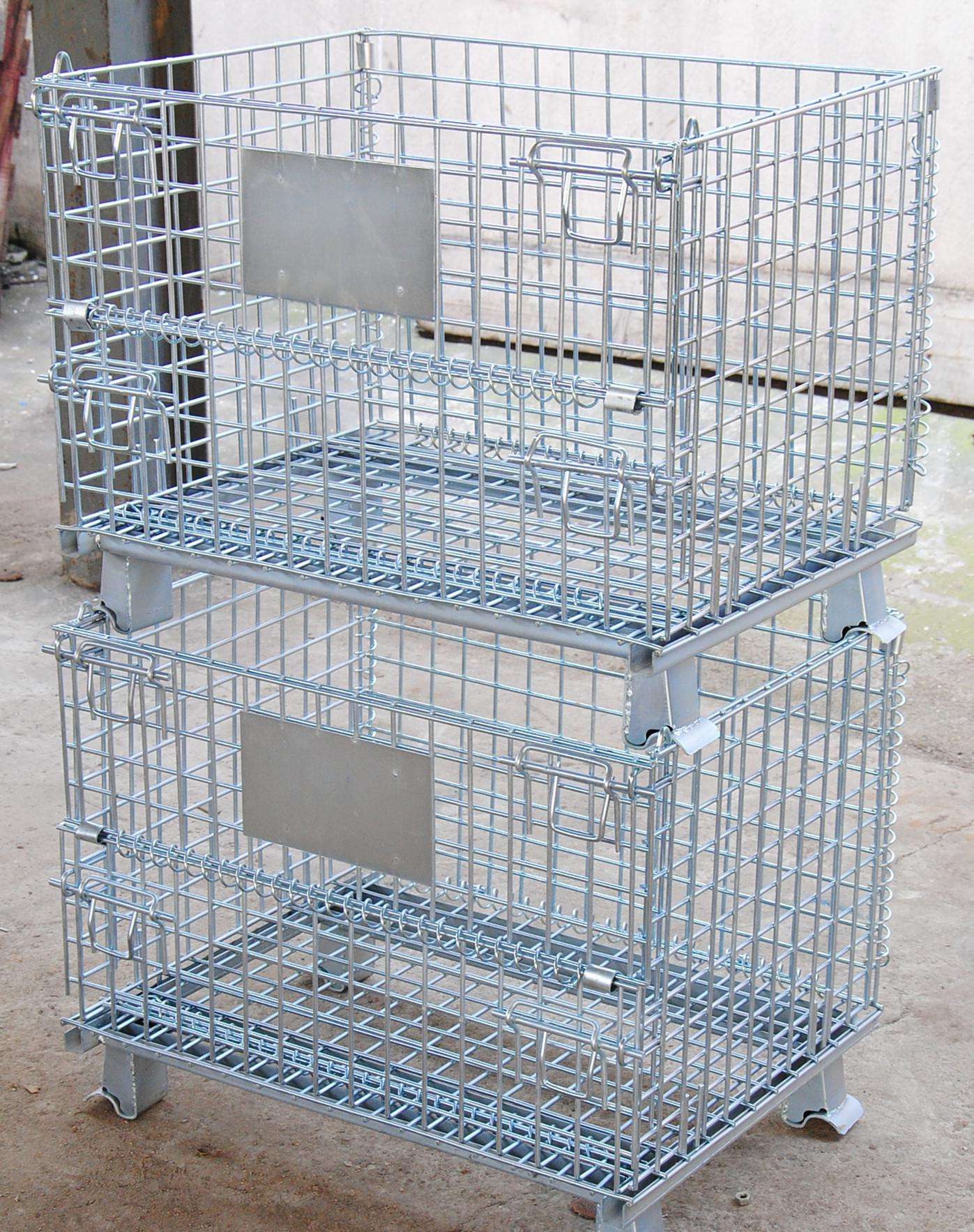
Stackable cages give fixed capacity, neat piles, visible contents, and better space use. Three types exist. Wheeled cages roll around the workshop but cannot stack. Footed cages both stack and sit on racks. Wheeled-plus-footed models do both, parking on lowered feet for stacking. Choose by your main duty.
Read More →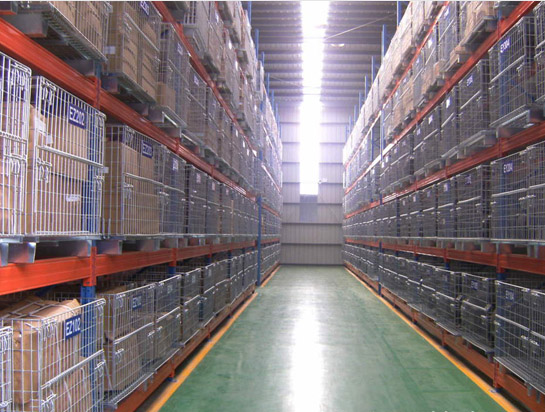
Cages only work well when planned around overall warehouse management. Plant structure sets rack and stack height via usable height, columns, floor load, and fire and lighting positions. Cargo traits set specs, strength rating, and container type, with slots estimated over two years of growth. Balance accessibility against density, and settle FIFO and slot numbering at planning stage.
Read More →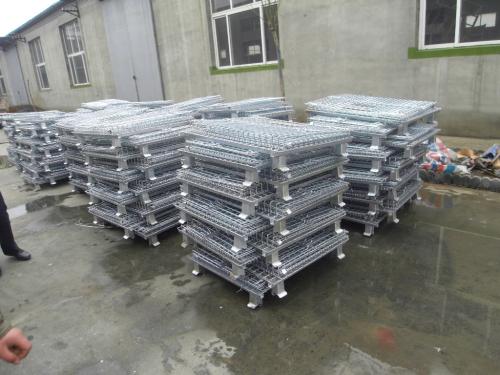
Foldable cages use quality steel, cold-work-hardened before welding, for strength under heavy material, and the immediate warehouse payoff is order. Specs, shapes, and loads stay uniform, so staff stocktake fast and separate materials by cage. Space is saved by stacking cages upward and folding empty ones flat; folded cages also let one truck carry many empties on back-haul, cutting freight.
Read More →